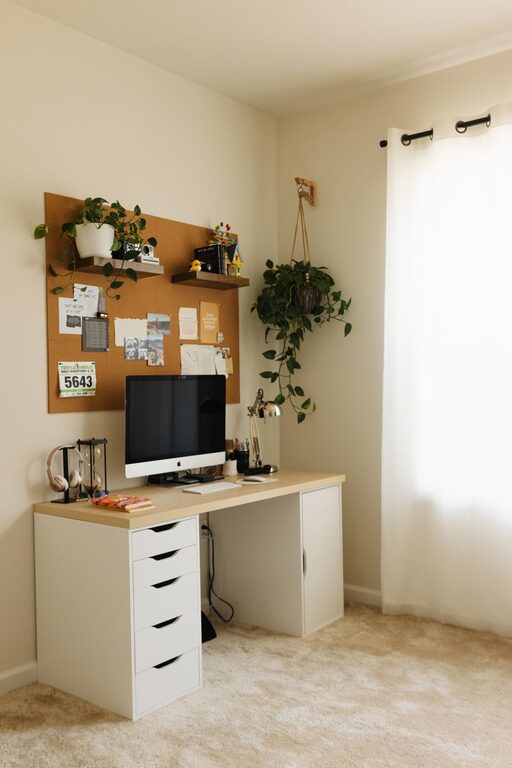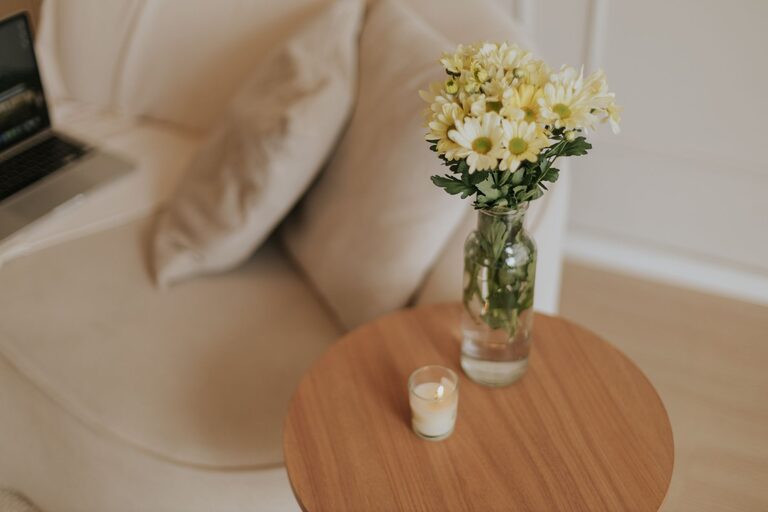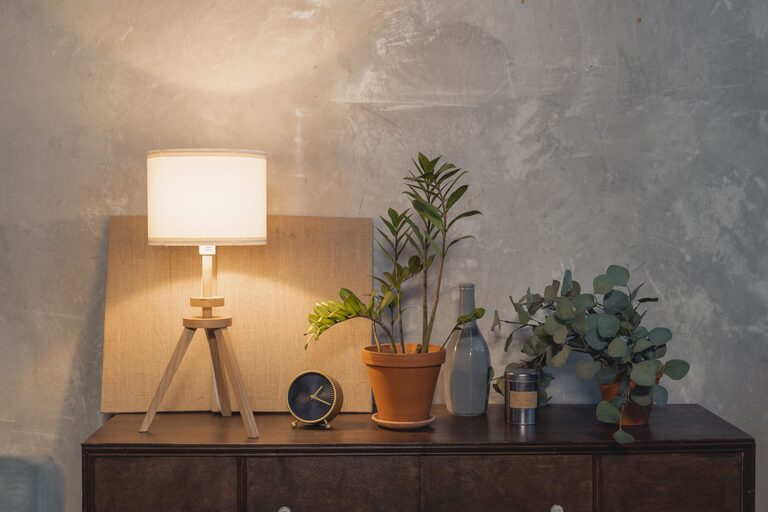
Creating a home workspace that is both relaxing and productive can significantly improve your work-from-home experience. With many people spending more time working remotely, setting up an environment that helps you focus while also keeping stress levels low is essential. In this post, we’ll walk through practical tips to help you create a home workspace that balances comfort with efficiency.
Why a Balanced Workspace Matters
A well-designed workspace doesn’t just improve productivity; it also supports your mental well-being. When your work area is cluttered or uncomfortable, it can increase stress and decrease motivation. By focusing on both relaxation and productivity, you foster an atmosphere that encourages creativity, efficiency, and focus, while reducing burnout.
—
Choose the Right Location
Consider Natural Light and Quiet
Select a space in your home with plenty of natural light. Sunlight can reduce eye strain and brighten your mood, making tasks feel less tiring. Avoid high-traffic or noisy areas where distractions can interrupt your focus.
Separate Work from Relaxation Areas
If possible, use a designated room or corner exclusively for work. Keeping your workspace separate from leisure areas helps your brain associate the space with professional tasks, making it easier to switch “on” and “off” from work mode.
—
Invest in Comfortable and Functional Furniture
Ergonomic Chair and Desk
Comfort is key when you spend hours working. Choose an ergonomic chair that supports good posture and a desk at the appropriate height to avoid strain. Adjustable features allow you to customize your setup for maximum comfort.
Proper Screen Positioning
Place your computer screen at eye level to prevent neck and eye discomfort. Using a monitor stand or adjustable arm can help you achieve the ideal height and distance.
—
Keep the Workspace Organized
Declutter Regularly
A tidy environment helps reduce distractions and stress. Keep only the essentials on your desk, and store supplies and paperwork in drawers or shelves. Schedule regular times to declutter your space.
Use Storage Solutions
Incorporate organizers, shelves, or filing cabinets to keep items neatly stored but still accessible. Labeling containers can save time when looking for specific items.
—
Personalize Your Space
Add Calming Elements
Incorporate items that promote relaxation, such as small plants, artwork, or calming colors. Greenery can improve air quality and boost your mood, while soothing colors like blues and greens can create a peaceful atmosphere.
Use Inspirational Accessories
Motivational quotes, photos, or meaningful objects can help keep you inspired and focused throughout the day.
—
Manage Lighting and Ambiance
Combine Natural and Artificial Lighting
While natural light is best, use soft, warm artificial lights to reduce eye strain during darker hours. Avoid harsh overhead fluorescent lighting; instead, opt for desk lamps or floor lamps that create a cozy ambiance.
Control Noise Levels
If noise is an issue, consider noise-cancelling headphones or white noise machines to mask distractions and help maintain concentration.
—
Incorporate Break and Movement Areas
Schedule Regular Breaks
Taking short breaks encourages relaxation and prevents burnout. Use a timer or app to remind yourself to step away from your desk regularly.
Designate a Spot for Stretching or Relaxing
If space allows, set up a comfortable chair or yoga mat nearby where you can stretch, meditate, or simply relax during breaks.
—
Promote Healthy Habits
Keep Hydrated and Have Snacks Nearby
Keep a water bottle and healthy snacks within reach to maintain energy and focus throughout the day.
Maintain Good Posture
Regularly check your posture and take breaks to stretch or change positions to avoid stiffness and fatigue.
—
Use Technology Wisely
Minimize Digital Clutter
Organize files and emails into folders, and limit notifications to reduce distractions from your devices.
Utilize Productivity Apps
Apps for task management, focus timers, or note-taking can help keep your work organized and efficient.
—
Final Thoughts
Creating a home workspace that supports both relaxation and productivity takes thoughtful planning and regular upkeep. By choosing the right location, investing in comfortable furniture, keeping your area organized, and incorporating calming personal touches, you can build an environment that helps you work well while feeling more relaxed. Remember, the goal is to balance comfort with efficiency so your workday feels manageable and enjoyable.
With these tips in hand, you’re one step closer to a home workspace that truly works for you. Happy working!
About the Author