Creating a home workspace that is both cozy and functional can significantly improve your productivity and overall work experience. Whether you work remotely full-time or need a dedicated spot for occasional tasks, having a space that feels comfortable yet efficient can make all the difference. Here are some practical tips to help you design a home workspace that meets your needs.
Choose the Right Location
Finding the ideal spot in your home for your workspace is the first step. Consider areas with:
– Natural Light: Position your desk near a window to take advantage of daylight. Natural light boosts mood and reduces eye strain.
– Low Traffic: Pick a quiet corner or room where you can focus without frequent interruptions.
– Adequate Space: Make sure there’s enough room for your desk, chair, and any equipment you use regularly.
If space is limited, even a small nook or a multi-purpose area can be transformed into a productive office zone.
Invest in Comfortable and Supportive Furniture
Comfort is key when spending hours at your desk.
– Ergonomic Chair: Select a chair that supports your back and promotes good posture. Adjustable height and lumbar support are ideal features.
– Appropriate Desk: Choose a desk with enough surface area to hold your computer, notes, and other essentials while leaving room to move freely.
– Footrest or Cushion: Consider accessories like footrests or seat cushions to enhance comfort during long sessions.
Remember, functional furniture encourages better focus and reduces fatigue.
Organize with Storage Solutions
Clutter can be distracting, so organizing your workspace helps maintain productivity.
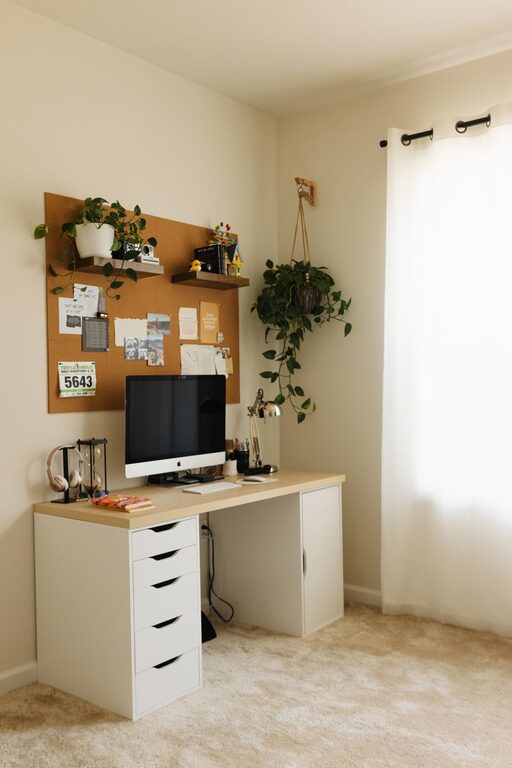
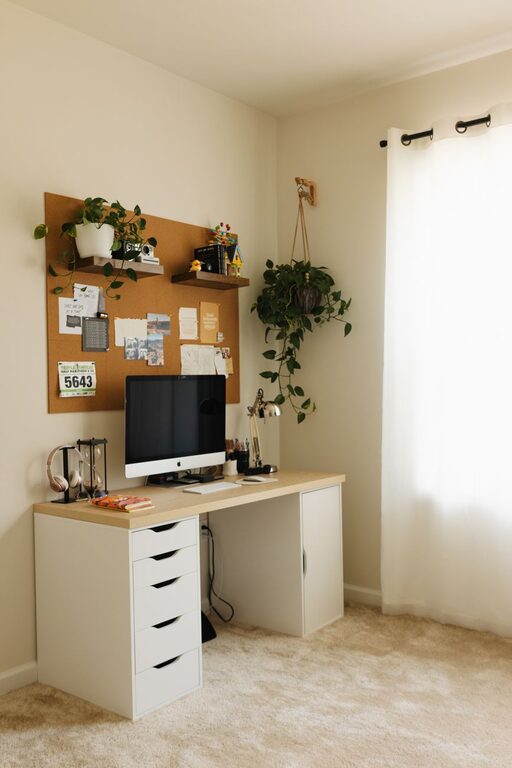
– Shelves and Cabinets: Use wall-mounted shelves or small cabinets to store books, files, and supplies.
– Desk Organizers: Trays, pen holders, and drawer dividers keep frequently used tools within reach yet tidy.
– Cable Management: Use clips, sleeves, or boxes to keep cords organized and out of the way, preventing tangles and trip hazards.
An organized space not only looks neat but also saves time searching for items.
Personalize Your Workspace
Adding personal touches makes your workspace inviting and motivating.
– Artwork or Photos: Hang pictures or artwork that inspire you.
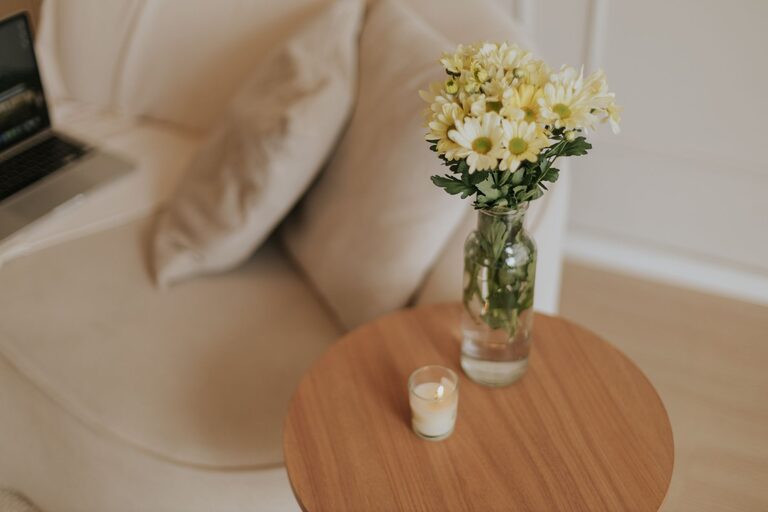
– Plants: Introducing greenery can improve air quality and create a calming atmosphere.
– Decor: Choose colors and decor items that suit your taste, keeping the environment positive and encouraging.
Personalization helps your workspace feel uniquely yours, which can boost creativity and satisfaction.
Optimize Lighting Beyond Natural Sources
While natural light is ideal, supplementing with proper artificial lighting is important for:
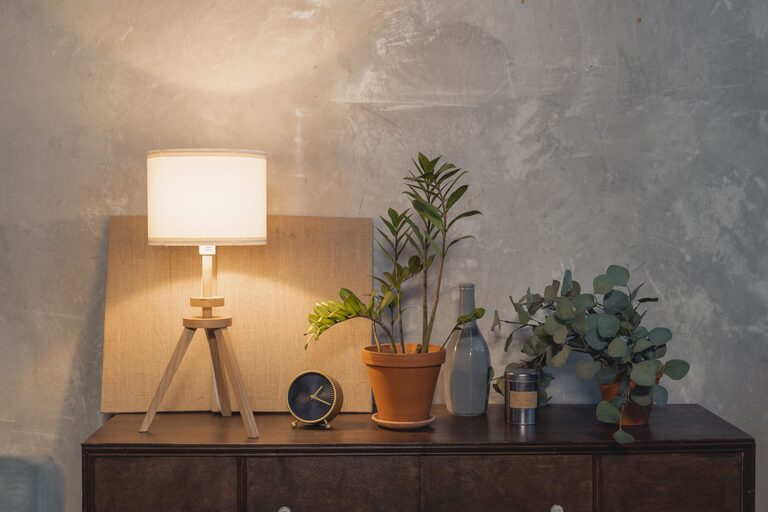
– Even Illumination: Use desk lamps or floor lamps with adjustable brightness to reduce shadows and eye strain.
– Warmth: Choosing warm light bulbs can contribute to a cozy ambiance.
– Task Lighting: Position focused lighting where you do detailed work, such as reading or writing.
Balanced lighting helps maintain energy and comfort throughout the day.
Create Zones for Different Tasks
Dividing your workspace into areas can improve focus.
– Work Zone: A dedicated desk area for computer work or meetings.
– Creative Zone: Space for brainstorming, sketching, or planning projects.
– Relaxation Zone: A comfy chair or a small corner with cushions for short breaks.
Having distinct zones allows you to switch activities without leaving your workspace, keeping productivity fresh.
Keep Technology Updated and Accessible
Your tech setup should support your work efficiently.
– High-Quality Equipment: Invest in reliable computers, monitors, keyboards, and mice.
– Adequate Connectivity: Ensure your internet connection is fast and stable.
– Charging Stations: Set up convenient charging spots for your devices to keep them ready.
Well-maintained technology reduces frustration and downtime.
Maintain Cleanliness and Air Quality
A clean environment positively affects concentration.
– Regular Cleaning: Wipe surfaces and vacuum floors to reduce dust.
– Ventilation: Keep windows open when weather allows, or use air purifiers to maintain fresh air.
– Avoid Strong Scents: Opt for mild air fresheners or natural scents to prevent headaches.
A fresh workspace promotes health and mental clarity.
Develop a Routine and Boundaries
Your workspace design supports your habits too.
– Set Work Hours: Define clear start and end times for your workday.
– Use Your Workspace Exclusively for Work: Avoid mixing tasks like eating or watching TV here.
– Take Breaks Away From the Desk: Stand up, stretch, or walk to keep energy levels balanced.
This discipline helps your mind associate the space with focus and productivity.
—
By carefully considering these aspects, you can create a home workspace that is both comfortable and highly functional. A cozy, organized environment tailored to your work style sets the stage for better concentration, creativity, and overall job satisfaction. Start with small changes and let your workspace grow along with your needs.
About the Author